
Aerial footage has become one of the most requested elements in commercial video production. That demand is understandable — a well-executed drone shot can establish scale, create context, and give a property or location a cinematic presence that no ground-level camera can match.
What clients don’t always understand is what it takes to fly legally and safely in the locations where that footage needs to happen.
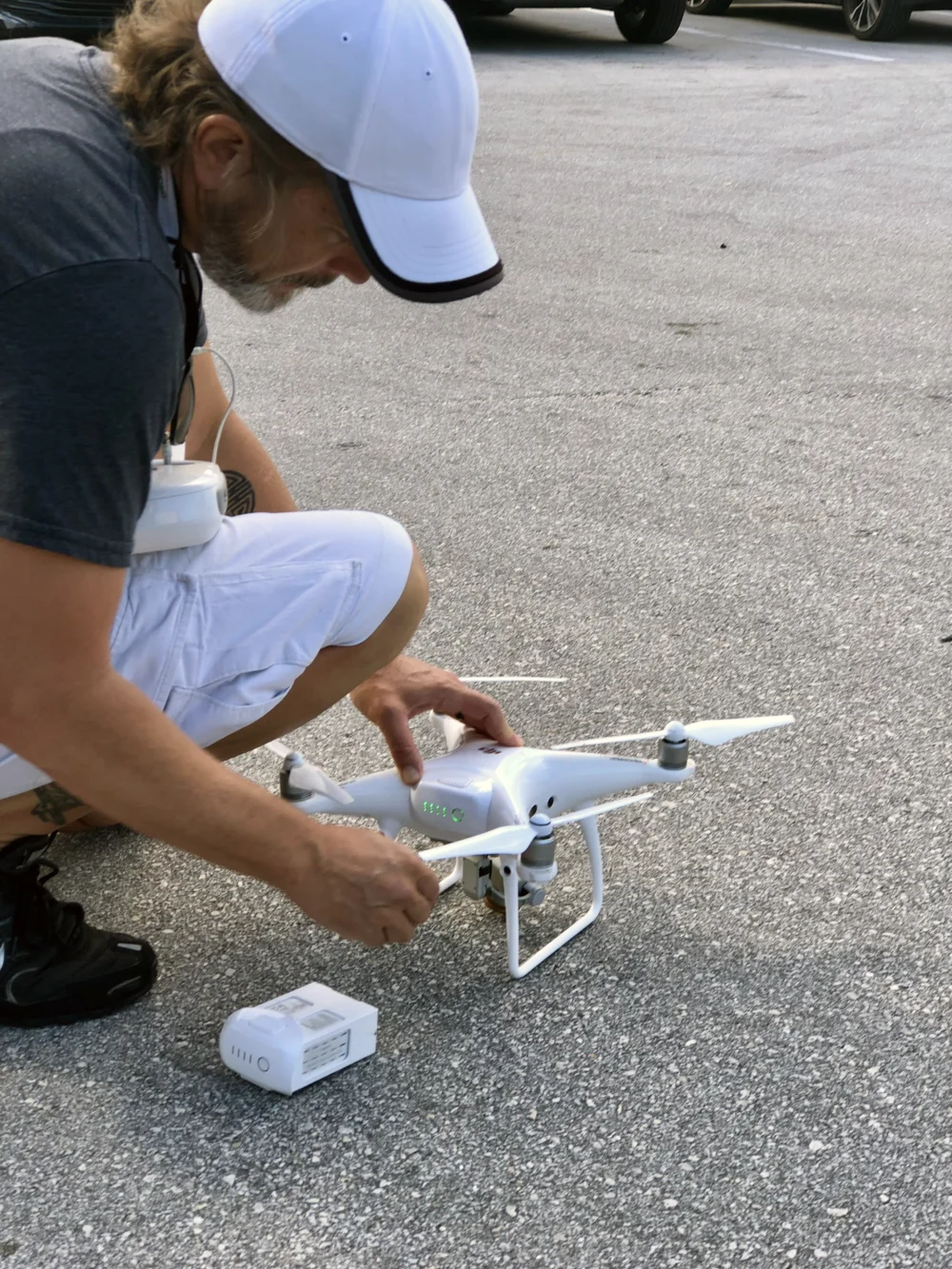
At Digital Cut Productions, every aerial shoot we do involve FAA-certified drone pilots. That’s not a marketing line — it’s an operational requirement we’ve maintained since we added drone capability to our production toolkit. Here’s why it matters, and what can go wrong when it doesn’t.
FAA Certification Is Not Optional
Any drone operator flying commercially in the United States is required by law to hold an FAA Part 107 Remote Pilot Certificate. This isn’t a registration or a hobbyist permit — it’s a federal certification that requires passing a knowledge test covering airspace classifications, weather, regulations, and flight operations. Operators must renew it on a recurring basis and are subject to FAA enforcement if they fly without it.
Despite that, uncertified operators are common. The barrier to buying a DJI drone and offering aerial services is low. The barrier to understanding where you’re legally allowed to fly — and what happens when you don’t — is much higher.
Airspace Is More Complicated Than It Looks
The United States airspace system is divided into classes, and many of the locations where clients want aerial footage, sit inside controlled or restricted airspace. Flying in those areas without proper authorization is a federal violation, and the consequences range from fines to criminal charges.
Our work for Kimco Realty’s Dania Pointe property is a good example. Dania Beach sits in near Fort Lauderdale-Hollywood International Airport — one of the busier commercial airports in South Florida. Flying anywhere near that airspace requires LAANC authorization, the FAA’s Low Altitude Authorization and Notification Capability system, which grants real-time approval for flights in controlled airspace up to a specific altitude. A certified pilot knows this process, files the authorization well in advance of the shoot day, and flies within the approved parameters. An uncertified operator may not even know the requirement exists.

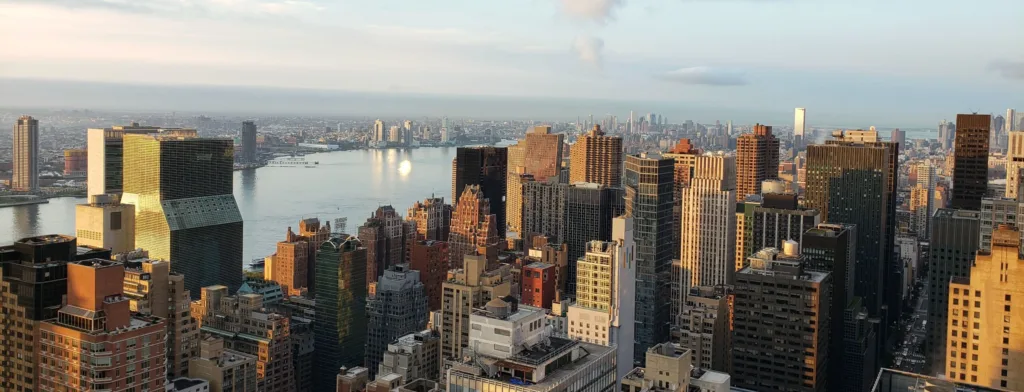
For Nuveen’s 780 Third Avenue redevelopment project in Midtown Manhattan, the airspace complexity was an entirely different order of magnitude. New York City sits under some of the most tightly controlled airspace in the country. Midtown Manhattan falls within the New York Class B airspace — the most restrictive classification in the national system, shared by three major commercial airports. Flying there legally requires advance coordination, proper certification, and in many cases specific waivers beyond standard LAANC. We coordinated FAA-certified drone operators for the exterior aerial acquisition on that project. It was not a simple process, and it was not one you hand to an operator who showed up with a consumer drone and no credentials.
The footage from that shoot became a centerpiece of Nuveen’s leasing presentations and website. It had to be right. There was no room for a shoot-day surprise involving airspace restrictions.
The Risk Isn’t Just Legal
Beyond regulatory exposure, uncertified operators present practical risks that can derail a production. They may not carry the liability insurance that commercial drone operations require. They may not understand how to handle equipment malfunctions, loss of signal, or weather conditions that require an immediate abort. On a commercial production — particularly one involving real estate clients, investors, or brand reputation — those risks transfer directly to you.
Certified pilots operate with a level of training and accountability that consumer drone users simply don’t have. When we send a drone up over a client’s property or building, we know exactly what the airspace allows, what our equipment can handle, and what the protocol is if something doesn’t go as planned.
What This Looks Like in Practice
Our drone and aerial footage work spans South Florida and beyond — commercial real estate, mixed-use developments, industrial facilities, and event productions. For clients who want to see what FAA-certified aerial production looks like in practice, our real estate portfolio includes aerial work for Kimco Realty’s Dania Pointe development, Nuveen’s 780 Third Avenue in Manhattan, and additional commercial properties throughout South Florida.
Every one of those shoots was planned, authorized, and executed by certified operators before a single camera left the ground.
If aerial footage is part of your next production, that’s the standard your production company should be held to. Anything less is a liability you don’t need.
If you want to elevate your content, we can help you navigate the complexities of drone filming with confidence.